


The presence of parasites in the body leads to serious health consequences.These include the development of allergies, general exhaustion and reduced immune defense, hypovitaminosis and anemia, as well as nervous system disorders, neuroses, insomnia and poor appetite.All these manifestations can be eliminated with appropriate treatment directed against parasites, larvae and their eggs, as well as with the use of drugs that will restore the metabolic processes disturbed by the presence of uninvited guests in the body.
Pest control: general principles

First of all, the treatment is aimed at completely ridding the body of worms and their larvae.If even one parasite remains in the body, it can lead to reinfection.Medicines alone cannot do this, and this is because many parasites are transmitted through dirty hands.In this regard, even if the patient drank the drug for parasites, but at the same time neglects the rules of personal hygiene and constantly comes into contact with the source of parasites (people or animals), a rapid re-infection is quite possible.
Therefore, the treatment of parasites consists of two mandatory components:
- Use of antiparasitic drugs to remove them from the body.
- Prevention of re-infection (personal hygiene, disinfection of home, personal items and surfaces, care of all family members, pets).
In addition, there is often a need for additional treatment for disorders caused by the parasite while in the body.
Treatment against parasites

The basis of treatment directed against the parasites found in the body is the use of antiparasitic drugs.These drugs can affect both adults and their eggs and larvae.The choice of antiparasitic drugs should be made exclusively by a doctor after receiving the results of all the necessary tests and assessing the general condition of the patient.Self-administration of parasiticides for both treatment and prevention of worms is prohibited and this is explained by several factors.First, all antiparasitic drugs belong to a special group of chemotherapeutic agents.have a strong toxic effect on living organisms.And the human body is no exception in this respect.Incorrect dosage or drug selection can damage liver or kidney function, without causing harm to the helminth.
Second, the doctor calculates the dose based on age and weight, using the antiparasitic drug for a short course and the maximum allowable and safe dose.
Third, based on the results of the analysis, a drug for parasites is selected, which will be effective in this particular case, since different types of worms (as well as their larvae and eggs) die from different types of drugs.
Treatments for parasites: classification of drugs

Drugs that affect parasites and their larval forms, eggs, are divided, depending on the effect on certain groups of worms, into several categories.
The first group is the antiparasitic drugs that affect the class of nematodes.They are divided into two subcategories:
- Drugs that are active against intestinal nematodes.
- Drugs acting on extraintestinal nematode species.
The second group includes drugs that have a detrimental effect on the category of cestodes.They are also divided into two subgroups:
- Medicines that act on intestinal parasites.
- Drugs that lead to the destruction of custodians outside the lumen of the intestine.
The third group includes all those antiparasitic drugs that act on trematodes.They are also divided into subcategories:
- Medicines that act on intestinal parasites.
- Drugs that lead to the destruction of custodians outside the lumen of the intestine.
A special place is occupied by the drugs of the fourth group, which belong to a wide spectrum of action.This means that such a parasite drug will be effective against most of the known helminths.
Complementary therapy: treatment of allergies, improvement of well-being
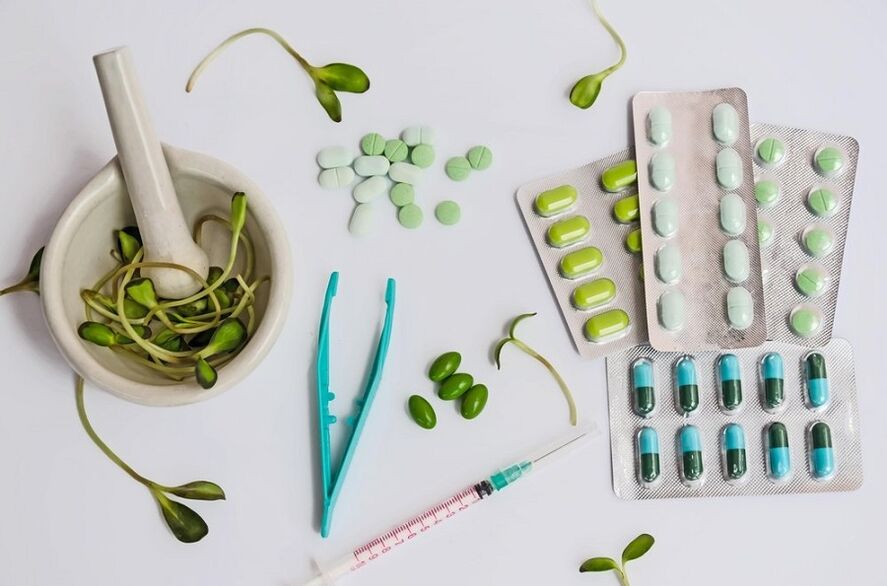
In addition to antiparasitic treatment, drugs are often used to improve the patient's condition, normalize well-being and general strengthening.In addition, due to the intense allergy of the body when it is attacked by parasites, the treatment of allergies with specific agents is also indicated.Allergy occurs in response to the penetration and reproduction of parasites that are foreign to the body.can worsen during a period of mass pest die-off.Therefore, antihistamines are sometimes prescribed to prevent exacerbations of allergies during the treatment of helminthiasis.
To relieve poisoning and remove waste products and parasite antigens, especially if there is a severe allergy, the simultaneous use of antihistamines and sorbents when taking anthelmintic drugs is indicated.In addition, sorbent and antiallergic therapy begins approximately three days before taking the main drug and continues for at least another 5 days after it.
Often helminthiasis leads to a disturbance of the intestinal microbial flora, and therefore the active consumption of fermented dairy products, plant foods and a preventive course of probiotics is recommended to restore normal bioclearance.During treatment, you should exclude irritating, heavy foods, dense foods and excess protein from your diet.The most beneficial will be soups and lightly cooked vegetables, cereals and fermented dairy products.It is important to drink plenty of fluids to actively remove toxins from the body.